Primer for Interior Painting in Florida: Protecting Walls from Humidity and Wear
When most homeowners think about painting a room, their attention goes straight to the color. That’s understandable — it’s the part you see every day, the part that sets the mood, and the part that makes a space feel new again. But there’s a critical step before that first coat of paint that often gets overlooked: primer. In Florida, skipping this step can mean the difference between a paint job that looks fresh for years and one that starts to peel, stain, or fade far too soon.
Primer is more than just a base coat. It’s the foundation that ensures your topcoat goes on smoothly, adheres properly, and stays beautiful even in our state’s challenging climate. Florida’s combination of humidity, intense sunlight, and sometimes unpredictable indoor conditions means that the role of primer is even more critical here than in many other places.
Understanding What Primer Actually Does
Primer is designed to prepare a surface for paint. It seals porous materials, evens out differences in texture, and creates a uniform surface, ensuring the final color appears consistent. On bare drywall, wood, or plaster, primer prevents the surface from absorbing too much paint, which can result in patchy, uneven finishes. On previously painted walls, primer helps the new coat stick better, especially if you’re switching from a glossy finish to a flat one or moving from a dark color to a light one.
In Florida, primer has an extra job: acting as a moisture barrier. Humid air can seep into walls and cause paint to lose adhesion over time. A good primer helps block that moisture, reducing the risk of bubbling or peeling. It also helps resist stains from water damage, mildew, or other contaminants that might otherwise bleed through your new paint.
Florida’s Climate and Why Primer Is Non-Negotiable
If you’ve ever tried to paint in the middle of a Florida summer, you know how quickly humidity can interfere. Even indoors, moisture in the air can slow the drying process and affect how paint bonds to the surface. In homes near the coast, salt air adds another layer of complication. Without a strong primer coat, these environmental factors can shorten the life of your paint dramatically.
Primer is also essential for rooms that naturally experience higher moisture levels, such as bathrooms, kitchens, and laundry rooms. In these spaces, steam, cooking vapors, and high humidity create perfect conditions for mold and mildew growth. Using a mildew-resistant primer can help stop these issues before they start, protecting both your paint job and your indoor air quality.
The Visual Benefits of a Good Primer
Primer isn’t just about durability — it’s also about appearance. If you’ve ever painted a bright color over a dark wall and found yourself applying coat after coat to cover it, you’ve seen what happens when you skip primer. A quality primer creates a neutral base that allows your chosen color to shine without interference from what’s underneath.
This is especially important if you’re moving from a warm color to a cool one or vice versa. Without primer, the old color can subtly alter the tone of the new paint, leaving you with a shade that doesn’t quite match the sample you fell in love with. Primer ensures the color on your wall matches what you envisioned.
Different Types of Primer for Different Needs
Not all primers are the same, and the one you choose should be matched to the surface and the conditions of your home. Water-based latex primers are a common choice for most interior walls because they dry quickly, have low odor, and are compatible with a wide range of topcoats. Oil-based primers, while less common for interiors today, are still helpful in sealing stains, covering wood tannins, or preparing glossy surfaces.
In Florida, many professionals turn to specialized primers with moisture-blocking or stain-resisting properties. For example, a shellac-based primer can seal in stubborn water stains from past leaks, while a bonding primer can help paint stick to slick surfaces like tile or laminate without extensive sanding. In rooms prone to mildew, a primer with built-in fungicides provides extra insurance against future growth.
How Professionals Apply Primer in Florida Homes
A pro painter doesn’t just grab a can of primer and start rolling. Proper application begins with surface preparation. Walls are cleaned to remove dust, oils, and any mildew that could interfere with adhesion. Damaged areas are repaired, and glossy surfaces are lightly sanded to give the primer something to grip.
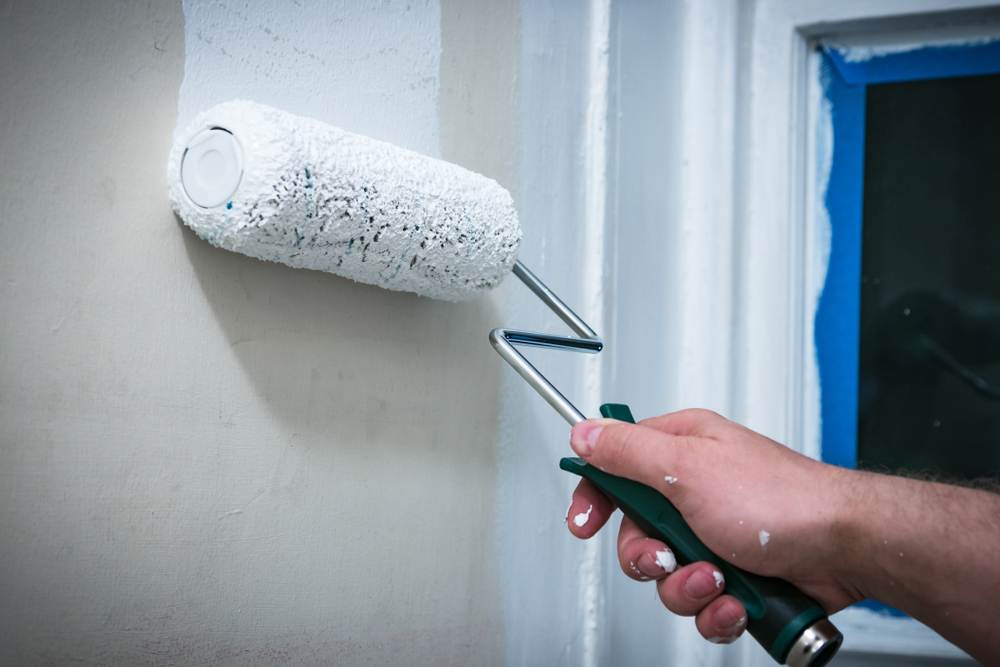
Once the surface is ready, primer is applied evenly, often with a brush for edges and corners and a roller for larger sections. In some cases — such as painting new drywall or covering a very dark color — a second coat of primer may be applied to ensure complete coverage. After priming, pros allow adequate drying time before painting, taking into account Florida’s humidity levels, which can slow the process. Rushing this stage can compromise the final finish, so patience is part of the professional approach.
Why Skipping Primer Costs More in the Long Run
It can be tempting to skip primer to save money or time, especially on an interior job where the walls already look “good enough.” But in Florida, that shortcut often leads to repainting sooner than you’d planned. Paint that fails prematurely needs to be redone, and that means more material, more labor, and more disruption to your home.
By using primer, you’re investing in the longevity of your paint job. It ensures the topcoat adheres properly, resists the challenges of our climate, and looks fresh for as long as possible. Over the lifespan of your paint, primer more than pays for itself.
The Role of Primer in Color Changes and Special Finishes
If you’re going for a dramatic change — say, covering a dark navy wall with a pale seafoam green — primer is the bridge that makes it possible without endless coats of paint. The same is true if you’re trying to achieve a particular color tone. Primer creates a consistent base that allows the final shade to be accurate and vibrant.
For specialty finishes, such as textured walls, faux effects, or high-gloss sheens, primer helps ensure those finishes look their best. It levels out minor imperfections and creates the proper surface texture for the paint to adhere to evenly.
How to Tell if Your Walls Need Primer
Some surfaces absolutely require primer, while others might only need it in certain situations. If you’re painting bare drywall, fresh plaster, new wood, or any surface that’s never been painted before, primer is essential. The same goes for walls that have been patched or repaired, as the patched areas will absorb paint differently than the rest of the wall without a primer to even things out.
If you’re painting over a glossy finish, a bonding primer will help the new paint stick. And if you’ve had water damage, smoke stains, or mildew in the past, a stain-blocking or mildew-resistant primer will keep those problems from reappearing through your fresh paint.
Partnering with Professionals for Lasting Results
While primer is available to any homeowner, knowing which type to use and how to apply it correctly is where professional painters really shine. They’ve seen firsthand how Florida’s climate affects interiors, and they know which products will hold up over time. By working with an experienced painting team, you can be confident your investment will deliver the beauty and protection you expect.
Final Thoughts
Primer may not be the most glamorous part of a painting project, but in Florida, it’s one of the most important. It creates the foundation for a beautiful, durable finish that withstands humidity, sunlight, and daily wear and tear. Skipping this step can cost you more in the long run, while doing it right can extend the life of your paint and keep your home looking its best.
If you’re planning an interior painting project and want results that last, Quality Painting FL is here to help. Our team understands the unique challenges of painting in Florida and uses the right primer and techniques to ensure a flawless, long-lasting finish. Contact us today to schedule your consultation and see the difference a professional approach can make.